
"sulfur gas"
200 article(s) found

What are the ingredients in the coffee? How do you drink the coffee powder? What's a good brand of coffee powder?
Professional coffee knowledge exchange more information about coffee beans Please follow the coffee workshop (Wechat official account cafe_style) caffeine is the most eye-catching of all coffee ingredients. It belongs to plant xanthamins (animal muscle components). It has the same properties as theobromine in cocoa and theophylline in green tea. The percentage of reduction after baking is very small, and caffeine plays a very important role.

Boutique Coffee the basic concept of coffee-2
Second, the main ingredients of coffee 1. Caffeine is the most eye-catching of all the ingredients of coffee, with a particularly strong bitter taste. It belongs to a kind of phytoxanthamins (animal muscle components). It has the same properties as theobromine contained in cocoa, green tea contains the same theophylline, and the percentage of reduction after baking is very small. Caffeine has a very extensive effect and can affect the brain, heart and blood of the human body.
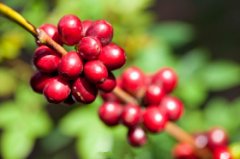
The basic concept of coffee the main ingredients of coffee
1. Caffeine is the most eye-catching of all the ingredients of coffee, with a particularly strong bitter taste. It is a kind of phytoxanthin (animal muscle component). Its properties are the same as theobromine contained in cocoa, green tea contains the same theophylline, the percentage of reduction after baking is very small, and the effect of caffeine is very extensive. it affects the brain, heart, blood vessels, gastrointestinal tract, muscles and kidneys.

Drinking coffee can always keep your mouth fresh.
Coffee can keep your breath fresh. Experts accidentally discovered this magical effect of coffee in the experiment. Previously, it was generally believed that drinking coffee would make you have a bad breath. In fact, when coffee is mixed with milk, it dehydrates inside the mouth and ferments to produce odorous substances. The team chose two types of Arabica coffee and put them in a glass tube filled with saliva. They initially wanted this to be true.

Six steps that must be known in coffee cup evaluation
Cup review is the most common way to distinguish between good and bad coffee. Coffee cup evaluation mainly includes six aspects, namely, coffee aroma (Fragrance), aroma (Aroma), taste (Taste), smell (Nose), aftertaste (Aftertaste) and mellow (Body).

[active volcano area] the flavor and taste characteristics of Antigua coffee producing area in Guatemala
Professional coffee knowledge exchange more coffee bean information please follow the coffee workshop (Wechat official account cafe_style) [active volcano area] Antigua [Flower God] coffee producing area of Guatemala's flavor and taste characteristics? How does microclimate affect taste? Antigua, one of the best producing areas in Guatemala. The soil of Antigua is rich in sulfur.

Some ingredients in coffee can suppress the benefits of bad breath and drinking coffee.
Experts accidentally discovered this magical effect of coffee in the experiment. Previously, it was generally believed that drinking coffee would make you have a bad breath. In fact, when coffee is mixed with milk, it dehydrates inside the mouth and ferments to produce odorous substances. The team chose two types of Arabica coffee and put them in a glass tube filled with saliva. They initially hoped that the experiment would prove that coffee
Coffee basics. If you want fresh breath, you might as well have a cup of coffee.
Experts accidentally discovered this magical effect of coffee in the experiment. Previously, it was generally believed that drinking coffee would make you have a bad breath. In fact, when coffee is mixed with milk, it dehydrates inside the mouth and ferments to produce odorous substances. The team chose two types of Arabica coffee and put them in a glass tube filled with saliva. They initially hoped that the experiment would prove that coffee
Coffee knowledge Coffee Cup Review must know six steps
Cup review is the most common way to distinguish between good and bad coffee. Coffee cup evaluation mainly includes six aspects, namely, coffee aroma (Fragrance), aroma (Aroma), taste (Taste), smell (Nose), aftertaste (Aftertaste) and mellow (Body). 1. Fragrance: the first step in cup evaluation is to evaluate the aroma of coffee beans. Grind 8.25 grams of coffee and put it in 3-5 sample cups

What's the effect of drinking coffee? coffee can get rid of bad breath!
The science of bad breath is also well studied, with the advent of mouthwash, breath fresheners and chewing gum. Now there is a new study, that is, we now often drink coffee, coffee contains substances to inhibit bad breath. A new study by Israeli scientists has found that coffee contains substances that inhibit bad breath, which may be used in mouthwash, breath fresheners or chewing gum in the future.
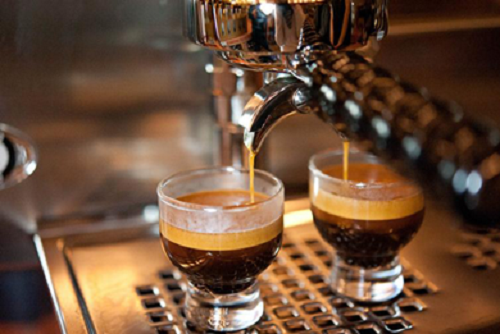
Critical extraction method of decaffeination
Coffee is one of the three biggest drinks in the world, and it is loved by many people. The most distinctive ingredient in coffee is caffeine, but not everyone likes it. In terms of taste, it is the main source of bitterness of coffee; functionally, it is a nerve stimulant that can keep people in a state of excitement and affect sleep. In addition to caffeine, coffee contains thousands of ingredients, which can form unique
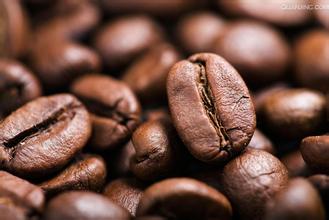
The small universe in coffee is all-inclusive. What are the substances in coffee beans in detail?
How many substances does a cup of coffee contain? Coffee extracted by traditional and common methods such as hand brewing, Syphon, French pressure, etc., contains more than 200 minutes of substances, while when using a steam purging coffee machine and household mocha pot, because of its special extraction method, 1500 traits can be extracted in an instant. Unexpectedly, there are so many things in a glass of tasty water.
What are the ingredients of caffeinated coffee?
Google for caffeine and you'll get more than 20 million results about caffeine in 0.11 seconds, and most descriptions of caffeine are negative: caffeine is bad, caffeine is addictive, headaches, high blood pressure, etc., and so on, most of the result is that caffeine is the enemy of our health, and drinking coffee is equivalent to drinking caffeine. This will lead.

101 misunderstandings about Coffee in basic knowledge of Fine Coffee
Search for caffeine and you will find more than 20 million results about caffeine in 0.11 seconds, and most of the descriptions of caffeine are negative: caffeine is bad, caffeine is addictive, headaches, high blood pressure, etc., in short, most of the result is that caffeine is the enemy of our health, and drinking coffee is equivalent to drinking caffeine. Coffee innocent 101
Coffee Books recommend 101 reasons for Coffee innocence
Release time: 2010-01-05 Source: editor: xz91 Guide: now this book, "Coffee innocent 101 reasons", seems to fully support the fanaticism of coffee loyalists and allay the concerns of people like me who like the taste of coffee but worry about the negative effects of caffeine. Caffeine is the most frequently written substance in coffee.
101 reasons for Coffee innocence recommended by Coffee Book
Guide: the current book "101 reasons for Coffee innocence" seems to fully support the fanatic behavior of coffee loyalists and allay the concerns of people like me who like the taste of coffee but worry about the negative effects of caffeine. Caffeine is the most frequently written substance in coffee. Google for caffeine and you'll find caffeine in 0.11 seconds.
A basic introduction to coffee
This paper introduces four kinds of commercial coffee: big fruit coffee Coffea liberica medium fruit coffee Coffea canephora small fruit coffee Coffea arabica high yield coffee Coffea dewevrei Coffea is a coffee tree [English] coffee [alias] small seed species also known as Arabian species, medium seed species also known as Gaffra species, large seed species also known as Liberia

Basic introduction of Coffee basic knowledge of Coffee
[Latin name] four kinds of commercial coffee: large fruit coffee Coffea liberica medium fruit coffee Coffea canephora small fruit coffee Coffea arabica high yield coffee Coffea dewevrei Coffea is a coffee tree [English] coffee [alias] small seed species also known as Arabian species, medium seed species also known as Gaffra species, large seed species also known as Liberian species

Coffee is basically used as four nouns for commercial coffee.
[Latin name] four kinds of commercial coffee: large fruit coffee Coffea liberica medium fruit coffee Coffea canephora small fruit coffee Coffea arabica high yield coffee Coffea dewevrei Coffea is a coffee tree [English] coffee [alias] small seed species also known as Arabian species, medium seed species also known as Gaffra species, large seed species also known as Liberian species